

Our Bariatric Procedures
At Obesity Care India, every treatment is thoughtfully designed and carried out with precision, compassion, and consistency. From your first consultation to personalised post-surgical follow-up, our multidisciplinary team is by your side every step of the way. We believe that surgical success doesn’t end in the operating theatre—it continues through recovery, education, and lifestyle transformation.
In this section, you'll find an overview of the core bariatric procedures we perform. Each of them is not only medically proven but also tailored to fit individual health needs, goals, and safety profiles. Whether it's gastric bypass, sleeve gastrectomy, or a robotic-assisted approach, every intervention is backed by decades of clinical excellence and a strong record of patient success.


What is Sleeve Gasterectomy?
Sleeve gastrectomy is one of the most commonly performed bariatric procedures globally due to its balance of simplicity and effectiveness. It's less complex than gastric bypass, requires no rerouting of intestines, and has shown excellent results in weight loss and remission of conditions like type 2 diabetes, sleep apnoea, and high blood pressure. With shorter surgery time and lower complication rates, it's a reliable and effective option for many patients.
How Sleeve Gasterectomy can help you?
In a sleeve gastrectomy, approximately 70–80% of the stomach is surgically removed, leaving behind a narrow, banana-shaped or sleeve-like stomach. The surgery is typically performed laparoscopically, using small incisions, a camera, and specialised instruments.
The reduced stomach volume means you feel full with less food. It also removes the portion of the stomach that produces the hunger hormone ghrelin, helping to curb appetite. Additionally, it can improve insulin sensitivity and contribute to metabolic improvements even before significant weight loss occurs.
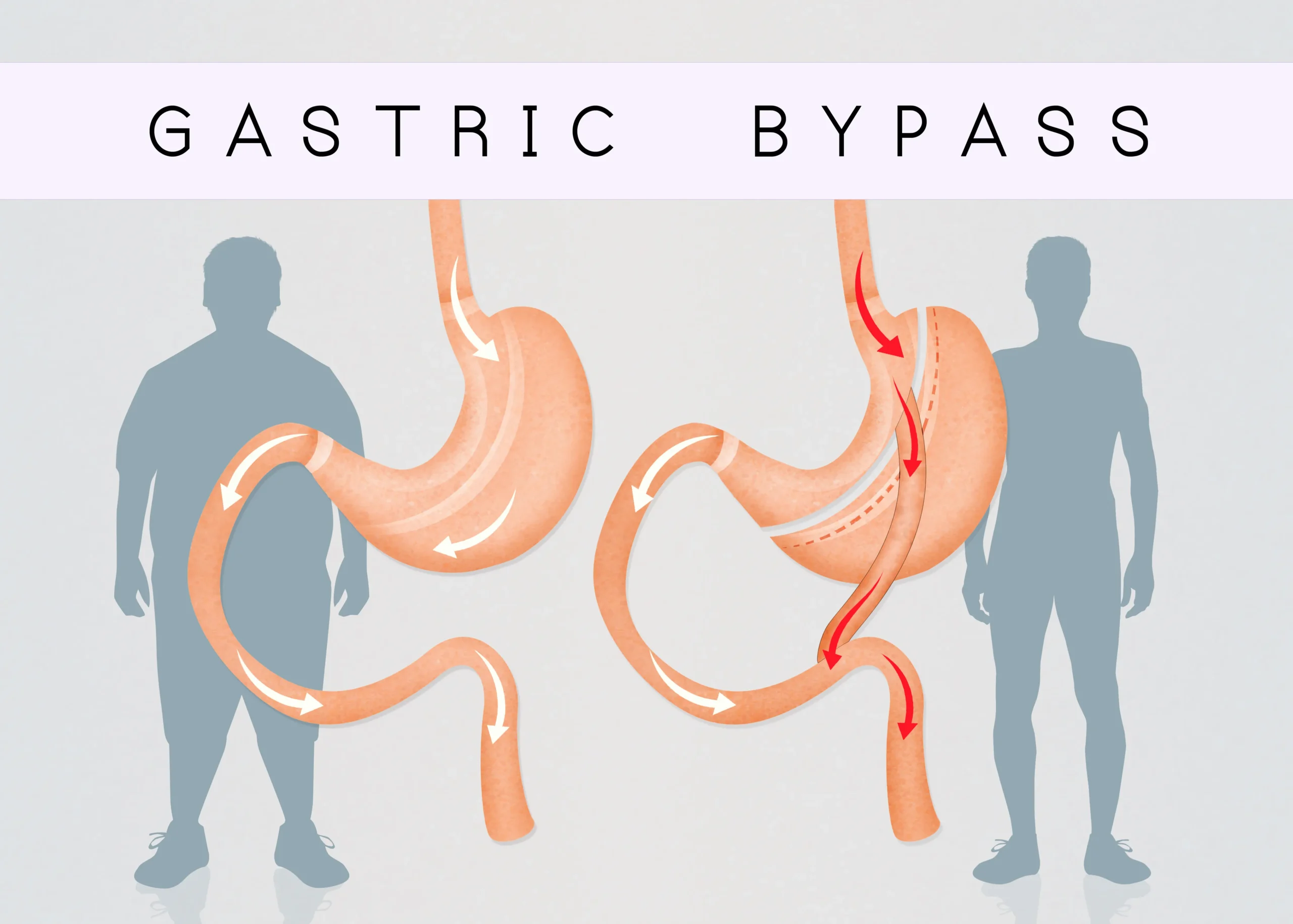
What is Gastric Bypass?
Gastric bypass involves dividing the stomach to create a small pouch about the size of an egg, which becomes the new stomach. This pouch is then directly connected to a lower section of the small intestine, effectively bypassing the rest of the stomach and the first part of the intestine (duodenum).
Gastric bypass is considered a gold standard for bariatric surgery due to its long-term outcomes. It is especially recommended for patients with severe obesity, poorly controlled type 2 diabetes, acid reflux (GERD), or those requiring more rapid weight loss.
How Gastric Bypass can help you?
This procedure reduces the amount of food you can eat and how many calories and nutrients are absorbed. It also alters gut hormones in a way that promotes satiety, reduces hunger, and improves insulin sensitivity—often leading to remission of type 2 diabetes.
Though more complex than sleeve gastrectomy, it is routinely performed worldwide and has a strong safety profile when done by experienced surgeons. Patients undergo pre-surgical evaluation to ensure readiness and minimize risk.
Most patients stay in the hospital for 2–3 days and can return to daily activities within 2–3 weeks. Full dietary adaptation and follow-up are closely guided by our clinical team.